
Owning an Independent Publishing Company
An Interview with Susie Schaefer & "Time We Discuss"
Owning An Independent Publishing Company
Owning an independent publishing company is often misunderstood. Many people assume it is simply about printing books or uploading manuscripts to Amazon. In this episode of the Time We Discuss podcast, host Dan speaks with Susie Schaefer, founder of an independent publishing company launched in 2019, to explore what the work actually looks like behind the scenes and why understanding the publishing industry is essential for long term success.
Susie brings a unique perspective shaped by decades of professional experience across human resources, hospitality, media, and entrepreneurship. Her story highlights how transferable skills, strong systems, and a deep love of books can come together to create a thriving publishing business even during uncertain times like the COVID pandemic.
From Lifelong Reader to Publishing Entrepreneur
Susie's relationship with books began early. As a child, she was fascinated not just by stories but by words themselves. That curiosity followed her into adulthood, even as her career initially took her into corporate America. She spent roughly thirty years working in human resources, along with time in commercial television and radio, building a strong foundation in communication, service, and relationship management.
After a major life transition, Susie was introduced to the publishing industry by a close friend. What started as an opportunity to learn quickly became a calling. When she moved back to California, she made the decision to start her own publishing company. With encouragement from her best friend, she took the leap into entrepreneurship and officially launched her business in 2019.
Starting just before the global shutdown could have been disastrous, but instead it became an unexpected advantage. With people at home, reflecting, journaling, and writing, demand for publishing guidance grew. Online consultations became the norm, and Susie's business found its footing during a time when many others were struggling.
Standing Out in a Crowded Online World
One of the challenges many business owners face is visibility. With countless podcasters, authors, and freelancers competing for attention, cutting through the noise can feel impossible. Susie approached this challenge creatively by using her pineapple logo as a conversation starter.
The pineapple represents hospitality and welcome, a nod to her education and background. It also visually symbolizes books, with the leaves resembling pages and the body containing small book shapes. By consistently using the pineapple in her social media presence, she sparked curiosity and conversations that naturally led people to ask about her work.
Rather than relying on paid advertising, Susie focused on authentic engagement, storytelling, and clear branding. Over time, this approach helped people find her organically and build trust before ever scheduling a consultation.
Transferable Skills That Made the Difference
Although publishing was a new industry for Susie, many of her previous skills translated seamlessly. Her experience in human resources taught her how to build strong professional relationships and manage complex projects. Her media background helped her understand storytelling and audience engagement. Hospitality instilled a service mindset that now defines how she works with authors.
Susie emphasizes that she is not just a publisher but a project manager for independent authors. She prides herself on offering white glove service, remaining directly involved with each client rather than handing them off to a team. This personal approach is a major reason authors continue to refer others and return for multiple projects.
Why Publishing Still Matters in a Digital World
Despite the rise of ebooks and digital media, Susie believes publishing is more important than ever. Independent publishing has opened the door for voices that might never have been heard under traditional publishing models. More people are now able to share their stories, preserve their experiences, and leave a meaningful legacy.
A significant portion of Susie's clients are veterans. She sees publishing as a way to preserve history and personal narratives that might otherwise be lost. Whether it is a veteran, a grandparent, or a business leader, capturing these stories allows future generations to understand where they came from and what shaped their family or community.
The Reality of the Indie Publishing Process
A typical day for Susie is structured but never repetitive. Her calendar is filled with consultations and client calls, followed by behind the scenes work coordinating editors, designers, printers, and distribution platforms. Systems and processes play a critical role in keeping everything running smoothly within a highly creative industry.
One of the biggest mistakes she sees from new authors is rushing to publish without understanding industry standards. Uploading a Word document directly to Amazon with an automatically generated cover often results in a product that cannot be sold in bookstores or libraries. Many authors also fail to understand distribution channels, assuming Amazon alone is sufficient.
Susie's role is to guide authors through these complexities so their books are professionally produced, widely distributed, and positioned for long term success.
Timelines and Long Term Relationships with Authors
The publishing timeline varies depending on the project. On average, authors work with Susie for four to six months once a manuscript is fully edited. Projects involving ghostwriters or extensive revisions can take closer to a year. Some clients continue working with her for years, especially those producing multiple books or series.
Rather than publishing books under her own imprint, Susie helps authors create their own imprints. This ensures they retain full rights and royalties while building a foundation for future books. Her goal is empowerment rather than dependency.
Finding Clients Through Trust and Referrals
Client acquisition is often one of the hardest parts of running a business, but Susie's experience has been different. Most of her work comes from referrals, publishing partners, and repeat clients. Her sales process is simple and relationship driven, beginning with a consultation to understand goals and define next steps.
Among social platforms, LinkedIn has proven to be the most effective for her business. Because many nonfiction authors are professionals and entrepreneurs, LinkedIn provides natural alignment and meaningful engagement.
Education Networking and Industry Changes
To bridge knowledge gaps when starting her business, Susie hired a business coach and worked with a publishing mentor. She emphasizes that traditional education is not always required, but ongoing learning is essential. The publishing industry changes quickly, and staying informed is critical.
She recommends joining professional organizations such as the Independent Book Publishers Association. These groups provide networking opportunities, industry updates, and valuable resources that support long term growth.
Is Running a Publishing Company Right for You
According to Susie, this career is not for everyone. A genuine love of books is essential, as is the ability to balance creativity with analytical business thinking. Those who enjoy both strategy and storytelling are more likely to thrive.
For anyone considering starting a publishing company, she stresses the importance of understanding the industry, developing strong networks, and building relationships with designers, editors, and writers.
Final Thoughts
This episode of Time We Discuss offers an honest and detailed look at what it is really like owning an independent publishing company. Susie Schaefer's journey demonstrates how passion, preparation, and adaptability can turn a lifelong love of books into a meaningful and sustainable career.
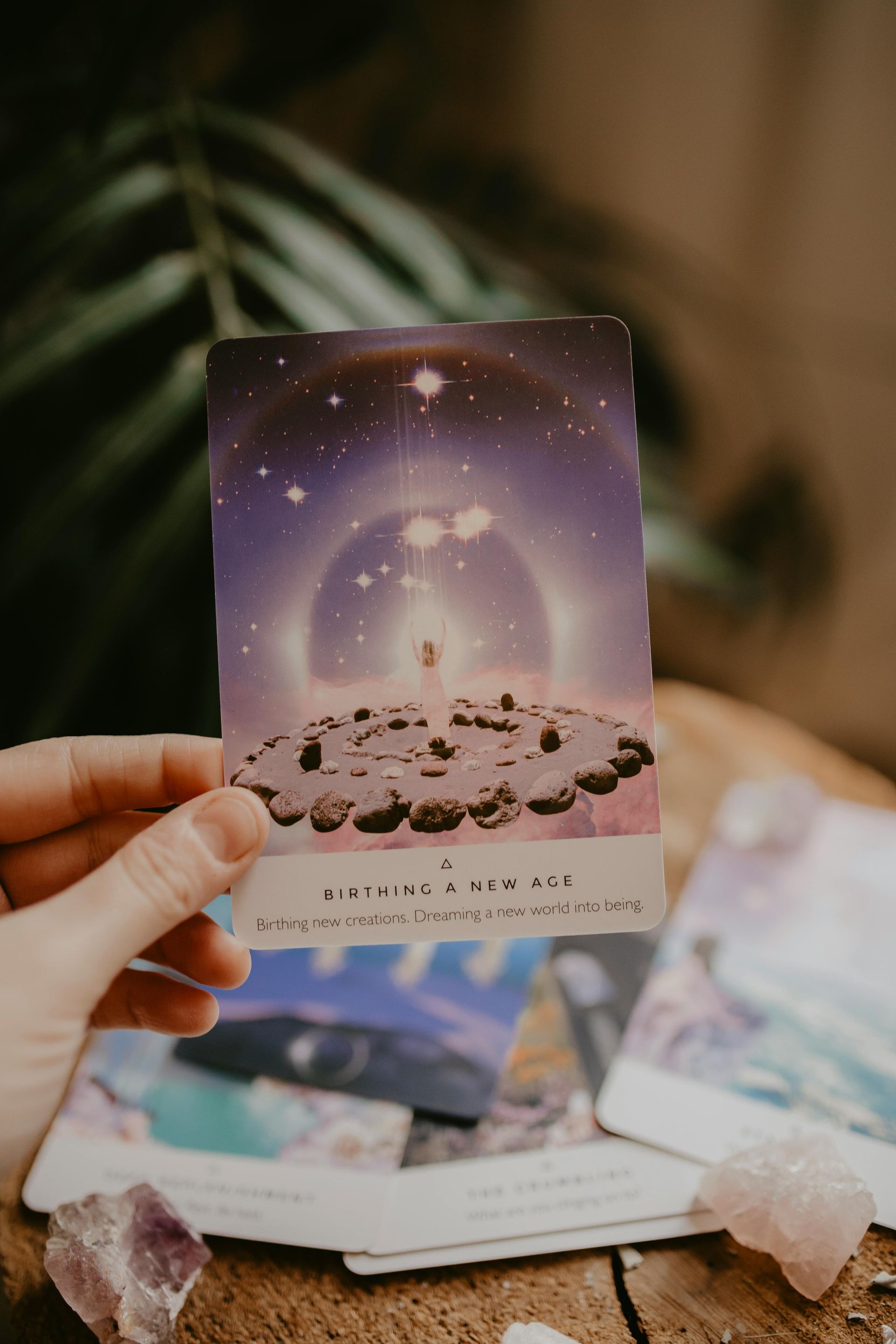
Start a Successful Oracle Card Reading Business in 2026 Starting an oracle card business is an increasingly popular career path for spiritual entrepreneurs seeking meaningful work while helping others. In this episode of the Time We Discuss podcast, professional oracle card reader Susie Schaefer shares her journey, business strategies, and practical advice for turning oracle card reading into a successful business in 2026 and beyond. This career combines intuition, personal development, and entrepreneurship and offers opportunities for income through private readings, events, retreats, and online content. What Are Oracle Cards and How Are They Different from Tarot Cards Oracle cards and tarot cards are both tools used for spiritual guidance, reflection, and personal insight. However, they differ in structure and purpose. Tarot cards follow a traditional system with defined meanings and symbolism and are often considered the gold standard in card reading. Oracle cards are more flexible and intuitive. They focus on storytelling, personal interpretation, and delivering messages that are relevant to the person receiving the reading. Oracle cards allow readers to develop a narrative and help people understand patterns, challenges, and opportunities in their lives. This flexibility makes oracle cards appealing for both beginners and professionals building a spiritual business. How Susie Schaefer Started Her Oracle Card Career Susie's journey began after a major life transition. Following her divorce, she worked with a life coach who recognized her intuitive abilities and encouraged her to explore them. She began practicing with her first oracle deck, doing readings for herself and tracking recurring cards. This helped her identify personal patterns and develop her intuitive skills. Like many entrepreneurs, her oracle card business began as a personal interest before growing into a professional service. Her experience highlights an important lesson for anyone starting a spiritual business. Many successful oracle card readers begin by practicing with friends, family, and themselves before offering professional services. The Business Opportunity in Oracle Card Reading Oracle card reading offers multiple income streams, making it a viable career option in 2026. Professional oracle card readers can earn income through private client readings, birthday parties, private events, retreats, workshops, and online content. Group readings at retreats help create connection and set intentions. These experiences also help grow a business through referrals and networking. This variety allows oracle card readers to create flexible and scalable businesses. How to Get Clients as an Oracle Card Reader One of the biggest challenges when starting an oracle card business is attracting clients. Social media platforms such as YouTube and TikTok provide powerful opportunities to share readings and build an audience. These platforms allow potential clients to discover your work and connect with your style. Consistent content creation helps establish credibility and trust, which is essential in a spiritual business. Education and mentorship can also help new readers develop both spiritual skills and business skills. Combining Authenticity and Business for Success One of the key turning points in Susie's career was integrating her oracle card reading with her publishing business. Initially, she kept her spiritual work separate. However, when she began embracing her authentic self and sharing her intuitive abilities openly, her business grew significantly. She began attracting clients who aligned with her values and message, leading to stronger relationships and better opportunities. This highlights an important principle for entrepreneurs in any field. Authenticity can be a competitive advantage. People are drawn to individuals who are genuine and passionate about their work. The Role of Oracle Cards in Personal Growth and Healing Oracle card readings are often used as tools for reflection, healing, and personal development. Oracle cards can help people recognize patterns in their lives, understand emotional blocks, gain clarity during difficult situations, make decisions with confidence, and process personal challenges. These readings can provide value beyond traditional spiritual guidance and support personal transformation. Mindset and Money in a Spiritual Business One of the biggest myths about spiritual careers is that you cannot make money doing them. Many professionals in the spiritual industry earn income through readings, events, retreats, and online platforms. Success requires: Confidence in your value business skills marketing visibility consistent practice A strong mindset is essential for turning oracle card reading into a sustainable career. How to Develop Oracle Card Reading Skills For those interested in becoming oracle card readers, foundational practices such as meditation and journaling can help develop intuition and self awareness. Practicing regularly with your card deck, joining spiritual communities, learning from mentors, and attending workshops can accelerate skill development. Like any professional skill, oracle card reading improves with practice and experience. Common Misconceptions About Oracle Card Reading Oracle card reading is often misunderstood. Some people believe it is negative or harmful, but many professional readers approach their work from a place of positivity and guidance. The purpose of oracle card reading is to help people gain clarity, reflect on their lives, and move forward with confidence. Why Oracle Card Reading Is a Growing Career in 2026 The demand for spiritual services continues to grow as more people seek purpose, clarity, and alternative career paths. Oracle card reading offers flexibility, meaningful work, and the opportunity to build your own business. With the growth of online platforms, readers can reach clients around the world. This makes oracle card reading a realistic and rewarding career option for entrepreneurs in 2026. Final Thoughts on Starting an Oracle Card Business Starting a successful oracle card business requires entrepreneurship, marketing skills, and confidence. By practicing regularly, building an audience, and embracing authenticity, aspiring oracle card readers can create meaningful careers while earning income Oracle card reading represents an exciting opportunity for those interested in spiritual entrepreneurship and helping others.


Now that you have your thinking cap on and you’re mapping out the plan for writing and producing your book, it’s important to understand the timeline for publishing. Your editing can take 2-4 months, but this is dependent on how much editing your manuscript will require and how quickly you get your edits back to your editor. So, editing aside, let’s go over the rest. There are some things you can be working on in the background when your manuscript is with your editor. You can create your publishing imprint (your publishing company name) and securing a logo, drafting your copyright page, setting up your publishing accounts (i.e., KDP and Ingram Spark), and purchasing your ISBNs. Once you’re into your final round of editing, this is a good time to define your title and subtitle, and get in touch with your cover designer for some samples. There will be a little bit of back and forth, but once you and your editor have a final title, you’ll have the foundation as to what you’d like the cover to look like. One of the most important reasons for using a professional designer is that they understand the types of covers appropriate for different genres. For example, if you’re writing a memoir, then the book cover shouldn’t look like a sci-fi novel. Just like if you’re writing romance, the cover shouldn’t look like a business book. Your cover designer will give you designs that fit both the message of your book as well as the genre, so that you’ll have better traction in the marketplace. Working on your cover design will usually take about 2-6 weeks. When your book is finished with the developmental edit, then you’ll send the manuscript to a proof editor. Your manuscript should include all of the following elements, which is also covered in great detail in Author Evolution, but for our purposes here, the manuscript that goes to the proof editor should include the copyright page, table of contents, dedication, all the chapters and resources section, your acknowledgments, the “about the author” page and, if appropriate, your business page. You’ll want the proof editor to see the entire book interior to ensure that any mistakes are caught before going to print. Your proof editor will usually need 2-4 weeks to complete the proof edit. Back to design... Now that you have a front cover for your book, you can request samples from your interior layout designer. It’s important to have your front cover done, so that elements from the cover can be used in the interior design, such as font choice. There are a LOT of decisions to be made about your interior layout. In addition to fonts, you’ll have the opportunity to look at the design for your chapter pages, graphics, headers, page numbers, etcetera. Once you’ve determined your choices for the interior, the layout process usually takes about two weeks. When the layout design is finished, you’ll know the page number count. This is important, as the cover designer will need this information to create the correct size for the spine of your book. When you have downtime in the process, be sure to write your back cover content. If your editor is agreeable, I would recommend your editor take a peek at it to make sure it is well-written and in third person (she went to the store, versus I went to the store). Your back cover is a key marketing piece for your book, so it’s critical to have a great description that will have the reader thinking “I’ve gotta read this book!” The back cover should also include a short, two-sentence bio, your head shot, your publishing logo, and a barcode with readable price. I like to have a header or call-out at the top of the back cover, or use a great testimonial from a reader or someone in your industry. When files are finished, you’ll proof the final files. This can take 2-3 weeks, depending on how fast you are. Here’s a tip for you… when proofing your files, read the book out loud (or get a reading buddy), as you’ll catch any mistakes missed previously. You’ll send any errors back to your designer to make those changes and will receive your final files to upload your book and order proof copies. The final proof process takes 3-6 weeks, before approving and going live. Once your books are live, then it’s time to announce your book and plan your launch party. Congratulations! You’re a published author! Want to learn how Finish the Book Publishing can help you through the publishing process? Schedule your free 30 minute consultation HERE

If you want to publish a professional-looking book that will stand up to anything you see in bookstores, it’s important that you use professional services for editing and design. If your book appears to be self-published, the cover is poorly designed, and the interior layout has errors such as extra spacing or weird margins, you’ll have a hard time getting reviews – from reader reviews to editorial reviews. You may even get negative reviews, and those are nearly impossible to remove from platforms like Amazon. Lastly, your book will not be eligible for book awards if there are errors or sub-standard cover design. While it seems like a place for you to save money and cut corners, I would recommend that you don’t. Scrimping on editing and design will only result in you being unhappy with the end results and ultimately wanting to re-publish your book. Launching your book using the help of professional editors and designers will save you time and money in the long run. Let’s delve in. There are several types of editing, but this will at least give you a broad overview of what to expect. Creating your budget ahead of time will help you plan ahead. Most editors and designers will require a deposit upfront, and then invoice you incrementally as the work is completed. If you choose to use a publishing consultant or book coach, like myself, this person will set up your publishing accounts, serve as the project manager for the production of your book, help you avoid costly mistakes, and serve as your advocate. It’s important to find the right one that has experience in your book’s genre, as well as someone that has a proven track record of satisfied clients. The cost for a publishing consultant, also known as a book shepherd or project manager, can range anywhere from $2500 to $10,000, but most fall in the $4500-$6500 range. Be sure to utilize free consultations that most book coaches offer, and get an overview of the services they provide. Estimated costs for editing and design can be provided by each professional, whether that’s editing or design. If you’re working with a book coach or project manager, they may be able to provide you estimates and ballpark figures for those tasks. Be sure to include business costs, such as registering your imprint (publishing company name), creating a simple logo, purchasing ISBNs, and ordering author copies. Some designers will offer book cover design, interior layout (also known as formatting), and eBook conversion as a package, which can sometimes save you hundreds of dollars. While you can research and find reputable editors and designers, one of the benefits to working with a publishing consultant or book coach is that they’ve already done the work for you. Book coaches have vetted professional service providers and have them available for projects. This alone will save you time and money. Let’s get rolling on your book! It’s worth the investment. Want to learn how Finish the Book Publishing can help you through the publishing process? Schedule your free consultation today!

I’d like to introduce you to the idea of social impact or “cause” publishing. Just think…your book has the ability to make an impact on the world, so choosing your cause is something you’ll want to start thinking about early in the process. Whether your mission is to feed the hungry, save the rainforest, or educate about human trafficking, the topic of your book can help drive awareness to the cause of your choice. There are a few things to consider: First , the cause you choose should be relevant to your book’s message. For example, if you’re writing a memoir about intimate partner abuse, your cause might be centered around shelters or helping survivors. Second , you can decide if you want a portion of your book’s proceeds to fund a cause, or simply add information about how to support various organizations within your book. This can be done in your Acknowledgments, on your Business Page, or even as a list of Resources in the back of your book. Third , you can also find organizations to “partner” with, by offering copies at a discount, or speaking at events. My recommendation is that you identify small to medium-size organizations, rather than large ones that already have funding and marketing plans in place. The best way to establish a partnership is to contact the organization, let them know that you are publishing a book and ask “How can I help?” The great thing about publishing independently, is that if an organization ceases to exist, or you wish to change the organization you support, you have the ability to make that revision in your book and upload your updated interior file. And finally, you can add a sentence or two in your book description that appears on your sales page via Amazon or Barnes & Noble. This will identify your cause to readers even before they’ve purchased your book. So, start thinking about your book’s message and how YOU can have an impact on the world. Want to learn how Finish the Book Publishing can help you through the publishing process? Schedule your free consultation today!